
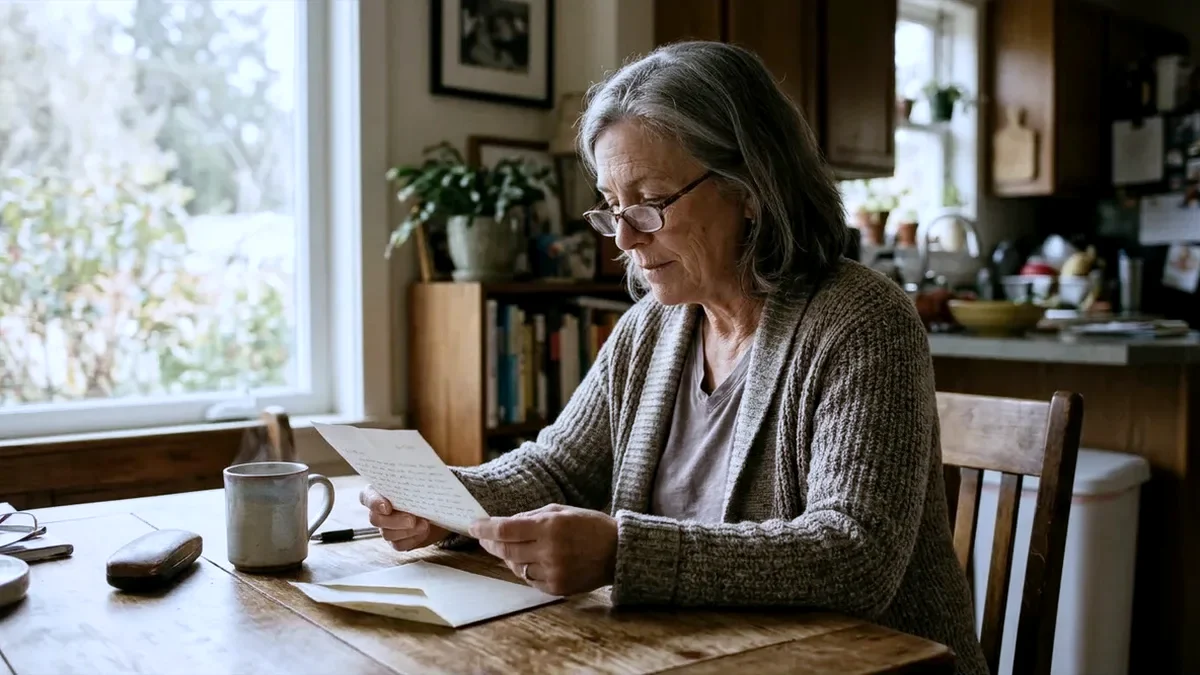
The reason is called presbyopia. As the National Eye Institute explains, the lens inside your eye becomes less flexible with age, so it can't focus on close objects as easily. It usually shows up in the 40s and slowly progresses into the 60s. It's not a disease, just a normal part of aging, but it changes how you need to see.
Option 1: Reading glasses
Good for: people who see well far away and only need help reading. Pros: inexpensive, easy to find. Cons: everything far away is blurry through them, so you're constantly taking them on and off, and you end up with a pair in every room.
Option 2: Bifocals
Good for: people who need both distance and reading help. Pros: two clear zones. Cons: the visible line, and a jump between distances with nothing for the middle (like a computer screen).
Option 3: Progressive lenses
Good for: people with a prescription for distance who want one pair for everything. Pros: smooth change from far to near, no line. Cons: often $300 to $600 or more, and an adjustment period of days to weeks. Some people never get used to them.
Option 4: Adaptive, all-in-one glasses
Good for: people who mostly need reading help but are tired of switching pairs, and want sun and screen protection in the same frame. Pros: affordable, one pair for reading, screens and distance, often with photochromic and blue light lenses. Cons: not a substitute for a prescription if you have a strong or uneven one.
Side-by-side
| Near | Far | Typical cost | |
|---|---|---|---|
| Reading glasses | Yes | No | $10–$30 |
| Bifocals | Yes | Yes | $100–$300 |
| Progressives | Yes | Yes | $300–$600+ |
| Adaptive glasses | Yes | Yes | About $45–$90 |
Don't skip the eye exam
An eye exam checks much more than focus: it can catch glaucoma, macular degeneration and cataracts early. The National Eye Institute recommends regular dilated eye exams, especially after 60.
Signs you need more than readers
- You take your readers off every time you look up
- Your computer screen is blurry with readers and without them
- You've bought stronger readers more than once in the last two years
- You squint at road signs or the TV
- You get headaches or tired eyes by the afternoon
If several of these sound familiar, a multi-distance option will probably make your day easier, and it's a good time for an eye exam.
Do blue light glasses help?
The American Academy of Ophthalmology says there's no evidence that blue light from screens damages the eyes. What does cause tired, dry eyes is staring at a screen without blinking. Many people still find blue light filtering lenses more comfortable for long screen sessions. The bigger help is the 20-20-20 rule: every 20 minutes, look at something 20 feet away for 20 seconds.
Where adaptive glasses fit
If your biggest frustration is juggling readers and sunglasses, an all-in-one pair is worth a look. We reviewed BlueLume Glasses, adaptive glasses with photochromic and blue light lenses that weigh under an ounce, backed by a 90-day guarantee.
Frequently asked questions
What is the difference between reading glasses and progressive lenses?
Reading glasses only help with close-up vision. Progressive lenses have a gradual change in power, covering distance, middle and near vision in one lens.
Why do I need reading glasses after 40?
Because of presbyopia: the lens inside your eye becomes less flexible with age and can't focus up close as easily.
Can I wear reading glasses all day?
You can, but distance will be blurry through them. If you need to see far too, a multi-distance option is more practical.
How long does it take to get used to progressive lenses?
Usually a few days to two weeks. Some people never fully adjust.
Are adaptive glasses the same as progressives?
Not exactly. Adaptive all-in-one glasses are a lower-cost option for everyday near-and-far viewing, often with sun and blue light protection, but they don't replace a custom prescription.
How often should I get an eye exam after 45?
Every one to two years is common, and the National Eye Institute recommends regular dilated eye exams, especially after 60.
This article is for information only and is not medical advice.

Audrey Larson
Audrey Larson is a health journalist and wellness investigator with more than 10 years of experience covering supplements, nutrition, and consumer health. With a background in Biomedical Science and Clinical Research, she specializes in analyzing scientific evidence behind health products and debunking misleading claims, misinformation, and fake health trends. As a Health & Wellness Evaluation Specialist for Olivewell Report, Audrey reviews peer-reviewed research, ingredient transparency, and manufacturing standards to separate fact from fiction. Her work emphasizes scientific integrity and practical guidance, helping readers make informed decisions about their health and well-being.
Keep reading
 Sleep & Wellness Gear
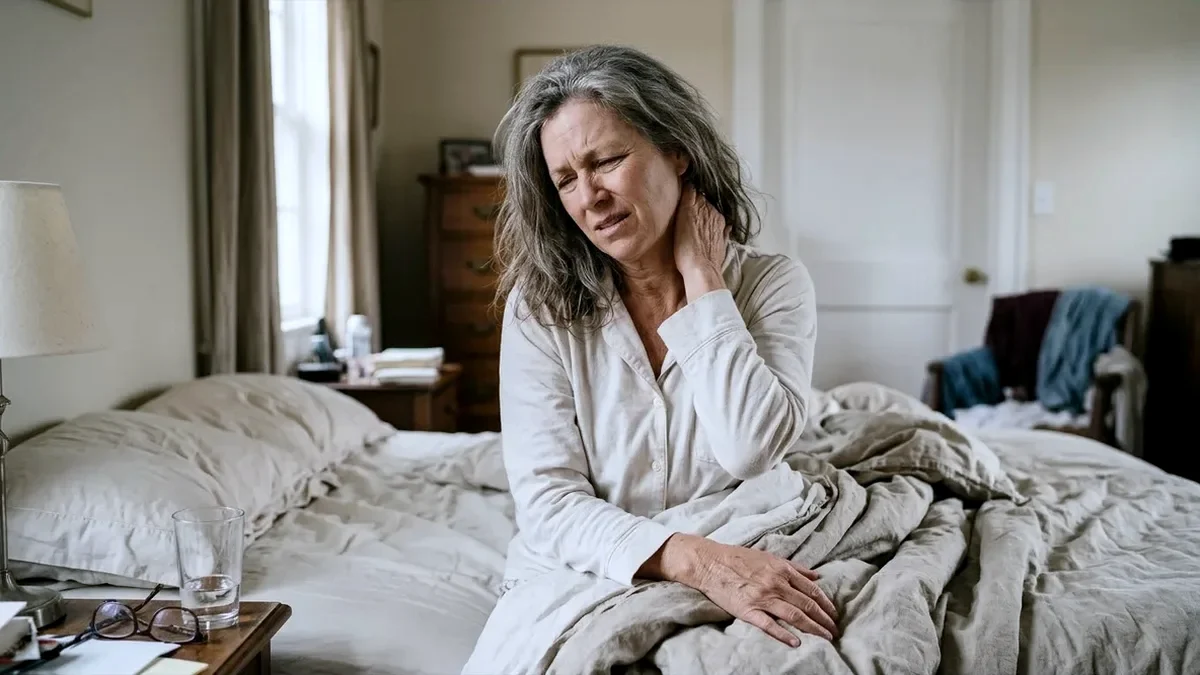
Stiff Neck After Sleeping? 6 Causes and How to Fix It
It hurts to turn your head. It eases by lunchtime, and the next morning it's back. If you wake up with a stiff neck more often than not, the cause is probably in your bedroom. Here's how to find it.
 Sleep & Wellness Gear
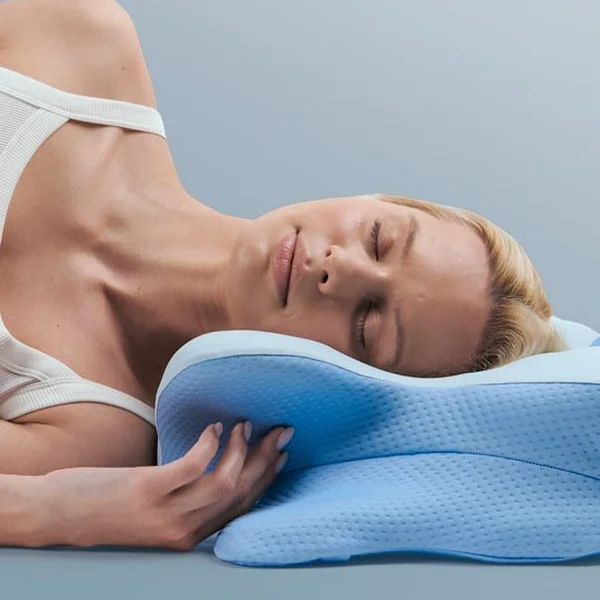
Derila Ergo Pillow Reviews 2026: Does It Really Help Neck Pain? Our Honest Review
The butterfly-shaped memory foam pillow for neck pain: design, price and the 60-day return policy.
 Sleep & Wellness Gear
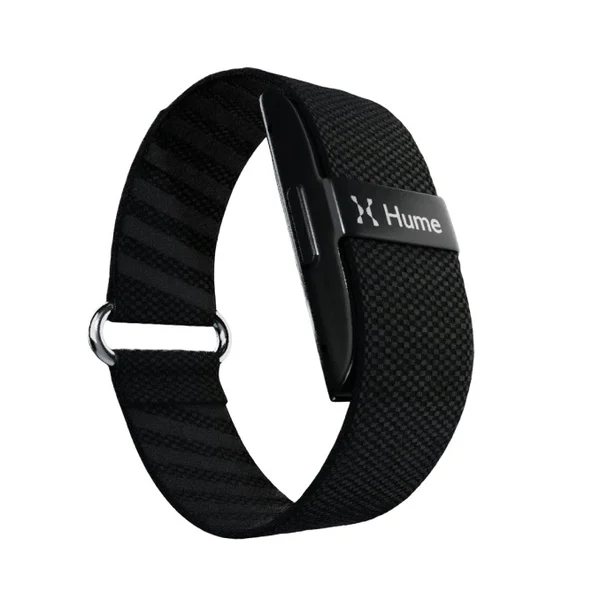
Hume Band Reviews 2026: Is the Hume Band 2.0 Worth It? Features, Price and Results
The screenless health band that tracks sleep, heart and aging trends: features, price and the 45-day refund.