

You eat less than you used to. You've tried the diets. The scale still creeps up, and the weight seems to settle around your middle no matter what you do. If you're a woman in your mid-40s, 50s or 60s, that experience is incredibly common, and there are real, well-studied reasons behind it.
The good news: once you understand what changed, the plan gets simpler. You don't need to eat like a bird or spend two hours at the gym. You need to work with the body you have now.
What changes after 45
1. Estrogen drops, and fat moves to the belly
During perimenopause and menopause, estrogen levels fall. One effect researchers have tracked for decades is where the body stores fat: less on the hips and thighs, more around the waist and deep inside the belly. Large long-term studies of midlife women, such as the Study of Women's Health Across the Nation (SWAN), found that fat mass starts rising and lean mass starts falling a couple of years before the final period. That's why many women say their weight "moved" even when the number on the scale barely changed. More on this in our guide to menopause belly fat.
2. You slowly lose muscle
Adults lose muscle gradually with age, and the loss speeds up after menopause. Muscle burns more energy than fat, even at rest, and it's what keeps you strong, steady on stairs and able to carry the groceries. Less muscle means a slightly slower metabolism and a body that stores extra calories more easily. This is the single biggest reason protein and strength training matter more now than they did at 30. See how much protein women over 50 need.
3. Sleep gets worse
Hot flashes, night sweats and lighter sleep are common in this stage. Short or broken sleep raises the hunger hormone ghrelin, lowers the fullness hormone leptin, and makes sugary food much more tempting the next day. If you feel like you're fighting cravings every afternoon, poor sleep may be part of the reason.
4. Stress and cravings stack up
Many women in their late 40s and 50s are caring for kids, aging parents and a demanding job all at once. Chronic stress keeps cortisol high and makes "I deserve this" snacking more likely. Our guide to late-night cravings covers practical fixes.
What doesn't work anymore
- Crash diets. Eating very little makes you lose muscle along with fat, which is exactly what you don't want now. The weight usually comes back, and it comes back as fat.
- Cardio only. Walking is great for your heart and mood, but on its own it does little to protect muscle.
- Skipping meals. It often backfires as evening cravings and overeating.
A realistic plan that works with your body
- Protein at every meal. Aim for roughly 25 to 30 grams per meal, starting at breakfast. It keeps you full and protects muscle.
- Lift something twice a week. Dumbbells, resistance bands or body-weight moves like squats and wall push-ups. Twenty to thirty minutes is enough to start.
- Walk daily. A walk after meals also helps flatten blood-sugar spikes. See how to prevent blood sugar spikes.
- Fill up on fiber. Vegetables, beans, oats, berries and seeds slow digestion and keep cravings down. Our high-fiber foods list makes it easy.
- Protect your sleep. A cool bedroom, a regular bedtime and less alcohol in the evening help with night sweats and next-day cravings.
- Go easy on alcohol. It adds calories, worsens hot flashes and sleep, and lowers your resistance to snacks.
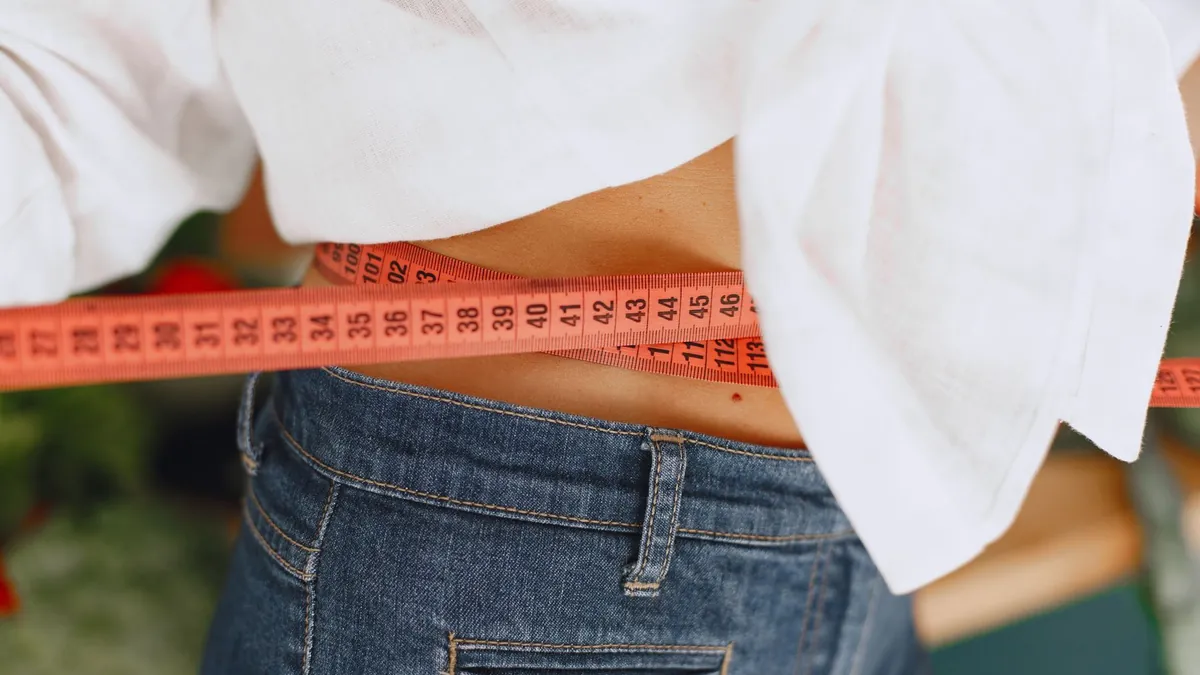
- Measure your waist, not just your weight. If you're building muscle, the scale can stall while your jeans get looser.
What about hormone therapy?
Menopausal hormone therapy is not a weight-loss treatment, and it isn't right for everyone. Some research suggests it may help limit the shift of fat to the belly, and for many women it improves hot flashes and sleep, which makes healthy habits easier. It's a conversation worth having with your doctor, especially if symptoms are affecting your quality of life.
What about Ozempic and other GLP-1 medications?
Prescription GLP-1 medications such as semaglutide can lead to significant weight loss, and many women over 45 are considering them. They come with costs, side effects and some loss of muscle, and the weight tends to return when they're stopped. If you're weighing your options, read our honest look at natural alternatives to Ozempic, and if you've already stopped, see how to keep the weight off after Ozempic.
Can a supplement help?
Yes, when it works on the right problem. Most women over 45 don't quit because they don't know what to eat. They quit because the hunger and the evening cravings wear them down. That's the gap a stimulant-free fiber supplement is built to fill.
One of the easiest places to start is our ranking of the best weight loss supplements for women over 45. Our #1 pick there is a stimulant-free formula you take just once a day, made in the USA and backed by a 60-day money-back guarantee. It targets exactly where most women over 45 struggle: metabolism, blood sugar and that constant feeling of hunger. See which one ranked #1.
When to see a doctor
If you've made steady changes for three months without any progress, or if weight gain comes with fatigue, hair loss, feeling cold or very heavy periods, ask your doctor to check your thyroid and blood sugar. Conditions such as an underactive thyroid and insulin resistance become more common in midlife and can make weight loss harder. Also see why you might not be losing weight.
Keep reading in this series
- Perimenopause weight gain: why it starts in your 40s
- Menopause belly fat: why it shows up and how to lose it
- How much protein women over 50 need
- Natural alternatives to Ozempic: what the evidence shows
- Stopped Ozempic? How to keep the weight off
Keep reading
 After 45
Perimenopause Weight Gain: Why It Starts in Your 40s and What Actually Helps
Your periods are changing, your sleep is lighter, and the scale is moving the wrong way. Perimenopause can start years before menopause, and weight is often one of the first signs.
 After 45
Menopause Belly Fat: Why It Shows Up and How to Lose It
Your arms and legs look the same, but your jeans don't close anymore. Menopause belly is one of the most common complaints of women over 45, and one of the most misunderstood.
 After 45
How Much Protein Do Women Over 50 Need to Lose Fat, Not Muscle?
After 50, losing weight the wrong way can cost you muscle you'll need for decades. Protein is how you keep it. Here's how much, and how to get it without forcing down shakes all day.