

Healthy gums don't bleed. When plaque builds up along the gumline, the gum tissue gets inflamed, red and tender, and it bleeds easily when touched. The National Institute of Dental and Craniofacial Research notes that gingivitis is reversible with good daily care.
7 common causes
- Gingivitis: plaque irritating the gums, the number one cause
- Starting to floss again after a break; bleeding usually stops in a week or two
- Flossing or brushing too hard
- Blood thinners and aspirin
- Hormonal changes, including menopause
- Low vitamin C or K
- Periodontitis, the advanced stage of gum disease
Why do my gums bleed at the dentist?
Hygienists gently probe the gumline to measure the pockets around each tooth. Healthy gums barely bleed; inflamed gums bleed easily. Bleeding during a cleaning is a useful early warning that your gums need more attention at home.
How to stop gums bleeding when you floss
- Keep flossing, gently, every day. Stopping makes it worse. Curve the floss around each tooth instead of snapping it down.
- Brush twice a day with a soft-bristle brush along the gumline
- Try a water flosser if floss is hard on your gums
- Cut back on sugar, which feeds plaque bacteria
- Support a healthy oral microbiome with good bacteria; see our picks for the best oral probiotics
- See your dentist for a cleaning if bleeding continues after two weeks
When to see a dentist right away
Gums that bleed heavily, are swollen or painful, pull away from the teeth, or teeth that feel loose need professional care.
Where an oral probiotic fits
Once your gums are healthy, keeping the bacteria in balance helps them stay that way. We reviewed ProDentim, a peppermint chewable with 3.5 billion probiotics for teeth and gums.
Frequently asked questions
Why do my gums bleed when I floss?
Most often because of gingivitis, early gum inflammation from plaque. It can also happen when you start flossing again or floss too hard.
Is it normal for gums to bleed when flossing?
A little bleeding when you start flossing is common and should stop within one to two weeks of gentle daily flossing. Ongoing bleeding isn't normal.
Should I keep flossing if my gums bleed?
Yes. Gentle daily flossing removes the plaque causing the inflammation; stopping usually makes it worse.
Why do my gums bleed at the dentist?
Inflamed gums bleed easily when the hygienist checks the gumline. It's an early warning sign that your gums need more care.
When should I worry about bleeding gums?
See a dentist if bleeding lasts more than two weeks or comes with swelling, pain, receding gums or loose teeth.
This article is for information only and is not dental or medical advice.

Audrey Larson
Audrey Larson is a health journalist and wellness investigator with more than 10 years of experience covering supplements, nutrition, and consumer health. With a background in Biomedical Science and Clinical Research, she specializes in analyzing scientific evidence behind health products and debunking misleading claims, misinformation, and fake health trends. As a Health & Wellness Evaluation Specialist for Olivewell Report, Audrey reviews peer-reviewed research, ingredient transparency, and manufacturing standards to separate fact from fiction. Her work emphasizes scientific integrity and practical guidance, helping readers make informed decisions about their health and well-being.
Keep reading
 Dental Health
Oral Probiotics for Bad Breath and Gums: Do They Really Work?
You brush, you floss, and your gums still bleed a little. Your breath isn't what it used to be. Oral probiotics are one of the most talked-about fixes right now. Here's what they can and can't do.
 Dental Health
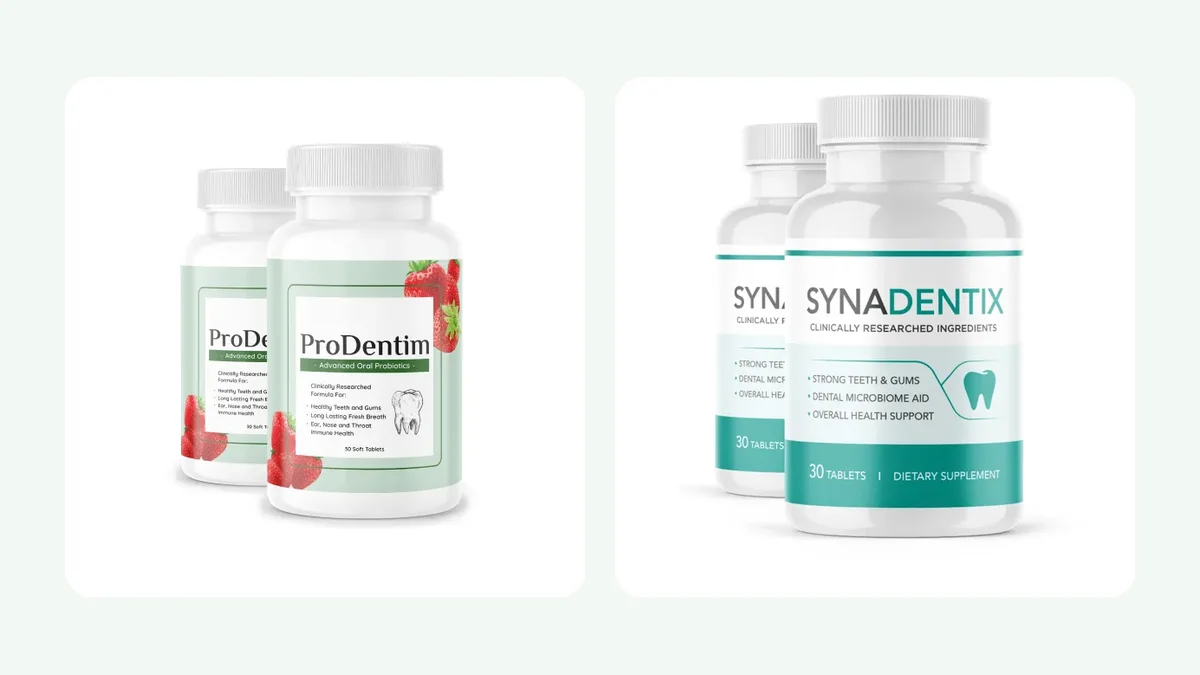
Best Oral Probiotics for Bad Breath and Gums (2026): Our Top Picks
Brushing and flossing aren't enough for everyone. If your gums bleed a little or bad breath keeps coming back, an oral probiotic or dental chewable may help. Here are the two we'd choose, and how they compare.
 Dental Health
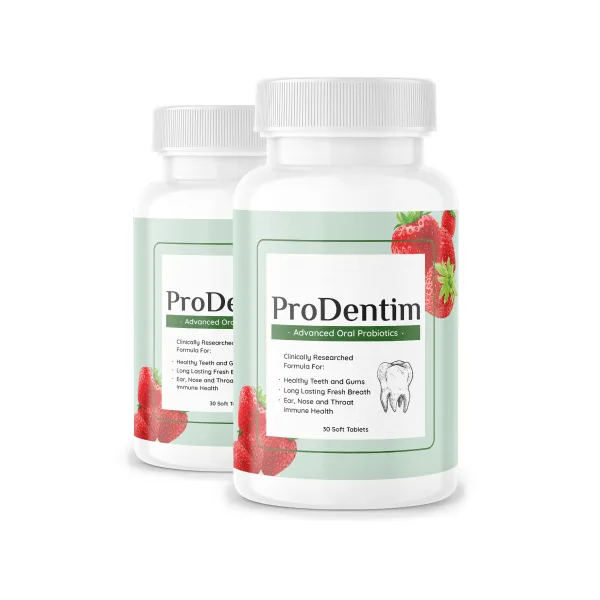
ProDentim Reviews 2026: Is ProDentim Legit? Ingredients, Price and Real Results
The oral probiotic everyone is searching for: strains, price and the 60-day guarantee.