

Your mouth is home to hundreds of species of bacteria. Most are harmless, some are helpful, and a few are the troublemakers behind plaque, gum inflammation and bad breath. Brushing and mouthwash knock all of them back, the good and the bad. Oral probiotics try a different approach: adding more of the helpful kind so the troublemakers have less room to grow.
What is an oral probiotic?
A regular probiotic capsule is swallowed and works in the gut. An oral probiotic is usually a chewable tablet or lozenge that dissolves slowly in your mouth, so the bacteria can settle on your teeth, gums and tongue. The strains are chosen for the mouth, which is why you'll see names like L. reuteri, L. paracasei, Streptococcus salivarius K12 and B. lactis on the label.
What the research says
Gums
Gum disease starts quietly: a little bleeding when you brush, gums that look red or puffy. The National Institute of Dental and Craniofacial Research notes it becomes more common with age. Several small clinical trials found that L. reuteri lozenges, used together with normal brushing, reduced gum bleeding and plaque compared with placebo. The studies are short and the effect is modest, but the direction is consistent.
Bad breath
Most bad breath comes from bacteria on the back of the tongue. Strains such as S. salivarius K12 and L. reuteri have been studied for reducing the sulfur compounds that cause the smell, with encouraging early results.
Teeth
Research on cavities is still early. Some strains appear to compete with the bacteria that produce tooth-damaging acid, but there isn't enough evidence yet to say probiotics prevent cavities.
Who may benefit most
- Adults whose gums bleed a little when brushing or flossing
- People who struggle with morning breath or breath that comes back quickly
- Anyone with a dry mouth (common with age and many medications), since saliva normally keeps bacteria in check
- People who've just finished antibiotics
How to use them
Take them after brushing, usually at night, and let the tablet dissolve slowly instead of swallowing it. Skip mouthwash right afterward so you don't wipe out the bacteria you just added. Give it at least four to eight weeks: the studies that showed benefits ran for about that long.
When to see a dentist instead
Gums that bleed heavily, teeth that feel loose, pain, swelling or pus need a dentist, not a supplement. Probiotics are a support for good habits and regular cleanings, never a replacement.
Oral probiotics vs. mouthwash
Antiseptic mouthwash kills bacteria on contact, which freshens breath for a few hours but also clears out the helpful species. Within a day, the mouth repopulates, often with the same balance as before. Oral probiotics work the opposite way: they add good bacteria that compete for space and food, aiming for a longer-lasting balance. Many dentists suggest keeping mouthwash for occasional use and not right before a probiotic tablet.
What to look for on the label
- Named strains, not just "probiotic blend": L. reuteri, L. paracasei, S. salivarius K12 and B. lactis are the most studied for the mouth
- A chewable or lozenge format that dissolves in the mouth
- The CFU count (colony-forming units), usually in the billions
- No added sugar, since sugar feeds the bacteria you're trying to crowd out
- A money-back guarantee, so you can give it the 4 to 8 weeks it needs
Gum health also connects to the rest of your body: our guide on preventing blood sugar spikes explains why stable blood sugar matters for your gums too.
Where an oral probiotic fits
Brushing and flossing come first. Many people also add an oral probiotic to bring the good bacteria in the mouth back into balance. We compared the most popular oral probiotics, strain by strain, and one stood out.

Audrey Larson
Audrey Larson is a health journalist and wellness investigator with more than 10 years of experience covering supplements, nutrition, and consumer health. With a background in Biomedical Science and Clinical Research, she specializes in analyzing scientific evidence behind health products and debunking misleading claims, misinformation, and fake health trends. As a Health & Wellness Evaluation Specialist for Olivewell Report, Audrey reviews peer-reviewed research, ingredient transparency, and manufacturing standards to separate fact from fiction. Her work emphasizes scientific integrity and practical guidance, helping readers make informed decisions about their health and well-being.
Keep reading
 Dental Health
Best Oral Probiotics for Bad Breath and Gums (2026): Our Top Picks
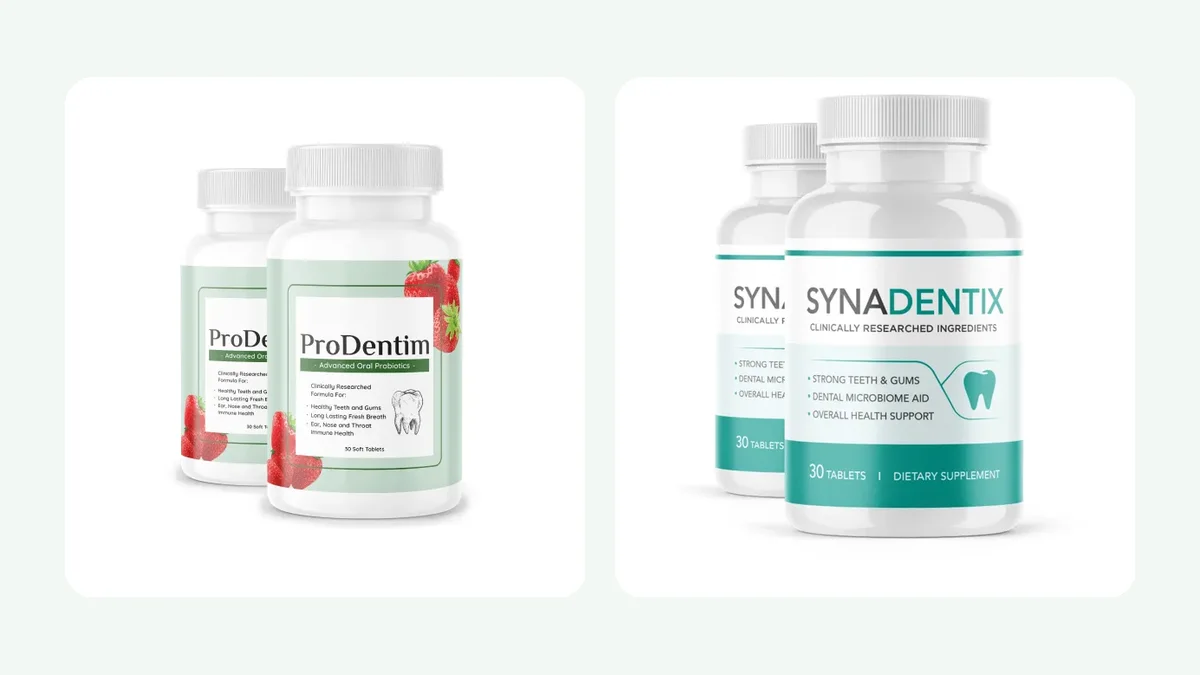
Brushing and flossing aren't enough for everyone. If your gums bleed a little or bad breath keeps coming back, an oral probiotic or dental chewable may help. Here are the two we'd choose, and how they compare.
 Dental Health
Gums Bleeding When You Floss? 7 Causes and How to Make It Stop
You floss, and the floss comes out pink. Or your hygienist mentions bleeding at every cleaning. Bleeding gums are so common that many people think it's normal. It usually isn't, but it's often easy to fix.
 Dental Health
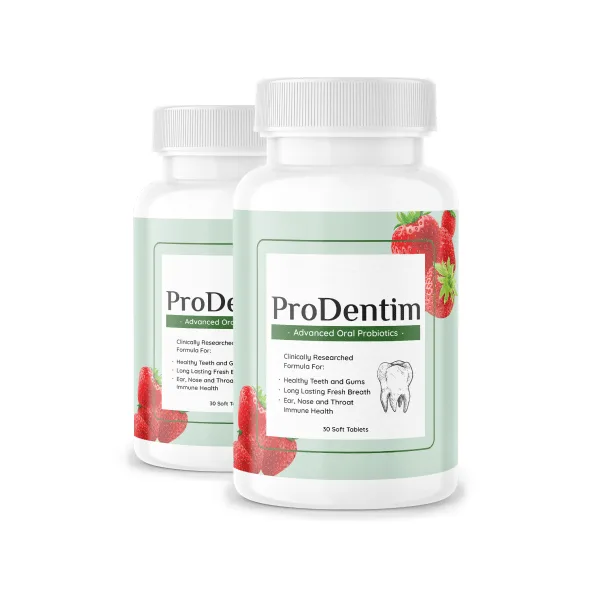
ProDentim Reviews 2026: Is ProDentim Legit? Ingredients, Price and Real Results
The oral probiotic everyone is searching for: strains, price and the 60-day guarantee.