
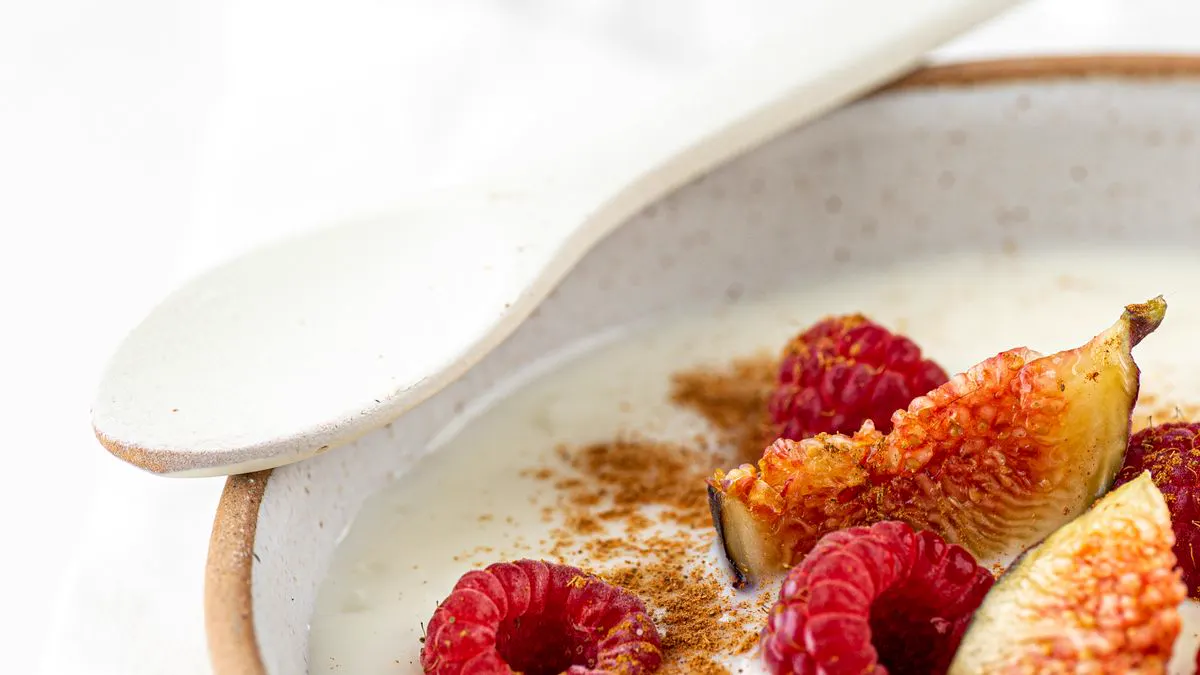
What is the gut microbiome?
Your gut microbiome is the community of bacteria, yeasts and other microbes that live mainly in your large intestine. Most of them are harmless or helpful. They break down fiber your body can't digest on its own and turn it into short-chain fatty acids, compounds that help keep the gut lining healthy and send signals to the rest of the body.
How gut bacteria are linked to weight
Studies comparing people with obesity and lean people often find differences in their gut bacteria, including a less diverse microbiome. Researchers are still working out cause and effect, but several mechanisms are being studied:
- Appetite signals. When gut bacteria ferment fiber, they help trigger hormones such as GLP-1 and PYY, which tell your brain you're full.
- Blood sugar. A fiber-rich diet that feeds good bacteria is linked to smaller blood-sugar spikes after meals.
- Inflammation. An unhealthy microbiome is associated with low-grade inflammation, which is connected to weight gain and insulin resistance.
One bacterium gets a lot of attention: Akkermansia muciniphila. Higher levels have been associated with a healthier metabolism in research, which is why it appears in many supplement marketing pages.

How to support a healthier gut
- Eat more fiber, especially from different plants: beans, oats, vegetables, fruit, nuts.
- Add fermented foods such as yogurt, kefir, sauerkraut or kimchi.
- Cut back on ultra-processed food and added sugar.
- Sleep and move. Both are linked to a more diverse microbiome.
- Consider a prebiotic or probiotic supplement if your diet is low in fiber. Talk to your doctor first if you have a medical condition.
Can a gut-health supplement help you lose weight?
Supplements that combine prebiotic fiber and probiotics, called synbiotics, may support fullness and blood-sugar control. Effects in studies are usually modest, and they work best alongside diet changes, not instead of them. We looked at one popular option in detail in our SlimTide review.
Keep reading
 Gut Health
Bloating After Eating: Common Causes and How to Get Relief
That tight, swollen feeling after a meal is extremely common. In most cases, the cause is simple and the fix is too.
 Gut Health
Prebiotics vs. Probiotics: What's the Difference?
They sound almost the same, but they do different jobs. Here's the simple version, and how to get both from food.
 Nutrition
Does Inulin Help You Lose Weight? What the Research Says
The prebiotic fiber in many gut supplements, explained without hype.