
Your gut is home to trillions of bacteria. Some help digest fiber, make vitamins and keep the gut lining healthy. Prebiotics and probiotics are two ways to support them.
Probiotics: the helpful bacteria
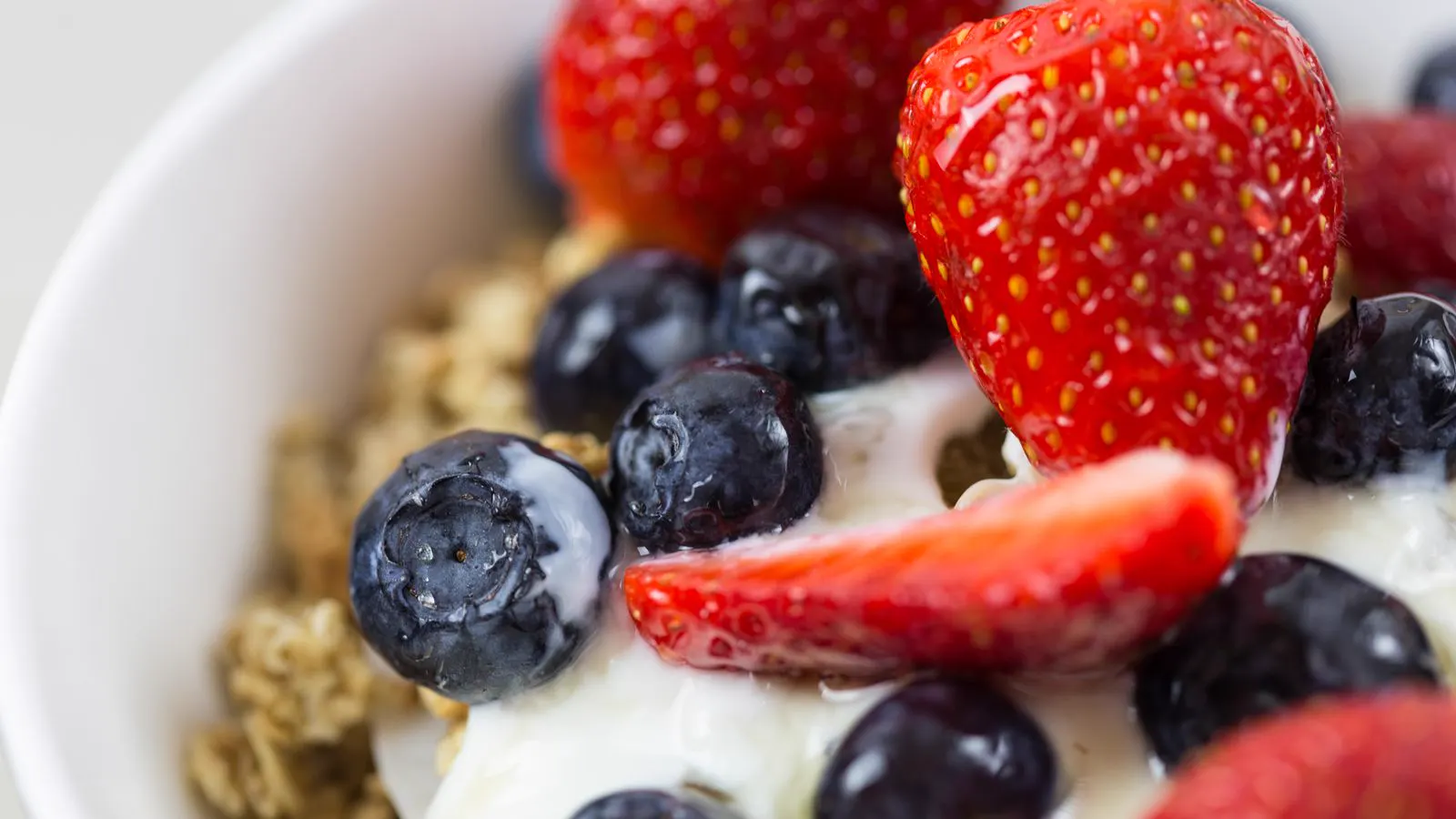
Probiotics are live microorganisms that, in the right amounts, have a health benefit. You find them in fermented foods like yogurt with live cultures, kefir, sauerkraut, kimchi, miso and some aged cheeses, and in supplements.
Different strains do different things, and the research is strain-specific. That's why a good probiotic label names the exact strains, not just "probiotic blend".
Prebiotics: food for the bacteria
Prebiotics are fibers your body can't digest but your gut bacteria can. When bacteria ferment them, they produce short-chain fatty acids that nourish the gut lining and send signals linked to appetite and blood sugar.
Good food sources include onions, garlic, leeks, asparagus, slightly green bananas, oats, beans, lentils and chicory root. The best-studied prebiotic is inulin; we cover it in does inulin help weight loss?
| Probiotics | Prebiotics | |
|---|---|---|
| What they are | Live beneficial bacteria | Fibers that feed bacteria |
| Food sources | Yogurt, kefir, sauerkraut, kimchi | Onions, garlic, oats, beans, bananas |
| Sensitive to heat? | Yes, many strains | No |
| Common side effects | Mild gas at first | Gas and bloating if added too fast |
What about synbiotics and postbiotics?
Synbiotics combine prebiotics and probiotics, so the bacteria arrive with their food. Postbiotics are the beneficial compounds bacteria produce, or inactivated bacteria, which are being studied for their own effects.
Do you need a supplement?
Most people can get plenty of both from food: one fermented food a day and a wide variety of plants. A supplement can make sense if your diet is low in fiber, if you want a consistent daily dose, or if your doctor recommends one. If you choose one, look for named strains, a clear dose and a money-back guarantee. Our checklist on how to read a supplement label helps.
We explain the research behind popular supplements in plain English. This article is for information only and is not medical advice. How we review.
Keep reading
 Gut Health
 and Weight Loss: How Your Microbiome Affects Your Waistline
What gut bacteria have to do with appetite, cravings and blood sugar.
 Gut Health
Bloating After Eating: Common Causes and How to Get Relief
That tight, swollen feeling after a meal is extremely common. In most cases, the cause is simple and the fix is too.
 Nutrition
Does Inulin Help You Lose Weight? What the Research Says
The prebiotic fiber in many gut supplements, explained without hype.