
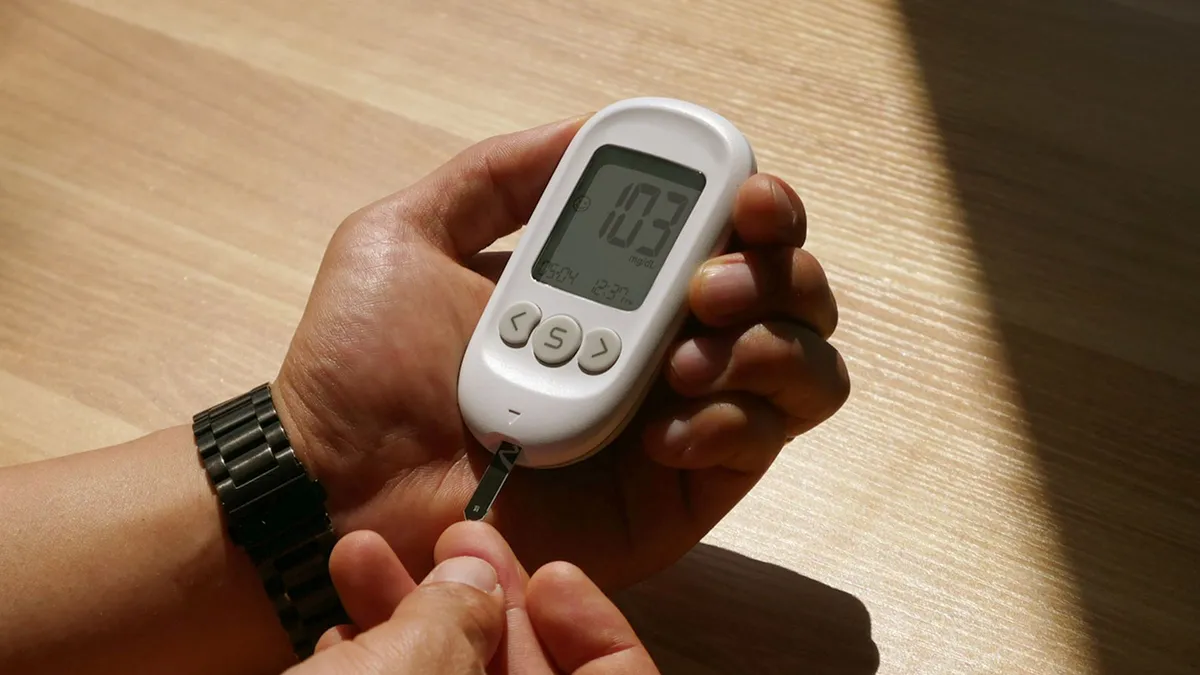
When you eat carbohydrates, your blood sugar rises and your body releases insulin to bring it back down. That's normal. Problems start when big, fast spikes are followed by sharp drops, which can leave you tired, hungry and craving sweets a couple of hours later.
Signs your meals spike your blood sugar
- Sleepiness or brain fog after meals
- Feeling hungry again soon after eating
- Strong cravings for sugar in the afternoon or evening
- Energy that goes up and down all day
Only a blood test or glucose monitor can tell you for sure. If you have diabetes or prediabetes, follow your doctor's plan.
7 ways to keep blood sugar steadier
- Eat in the right order. Studies show that eating vegetables and protein before the starch in a meal leads to a smaller rise in blood sugar.
- Never eat carbs alone. Pair them with protein, healthy fat or fiber: apple with peanut butter, crackers with cheese, rice with chicken and vegetables.
- Choose slow carbs. Beans, lentils, oats, whole grains and whole fruit raise blood sugar more gently than white bread, sugary cereal or juice.
- Get more fiber. Soluble fiber slows how fast sugar is absorbed. See our list of high-fiber foods.
- Walk after meals. Even 10 to 15 minutes of walking after eating helps your muscles use glucose.
- Don't skip breakfast, and make it protein-rich. A sugary breakfast often sets up a day of swings.
- Sleep and manage stress. Poor sleep and high stress both make your body less sensitive to insulin.

What about vinegar and supplements?
Some small studies suggest a tablespoon of vinegar diluted in water before a meal can lower the rise in blood sugar. Certain fibers, such as inulin and resistant starch, have also been studied for steadier blood sugar and better insulin sensitivity. These are helpers, not replacements for the habits above. Talk to your doctor before trying them if you take diabetes medication.
Your gut bacteria play a role too. Read gut health and weight loss to learn how.
Keep reading
 Nutrition
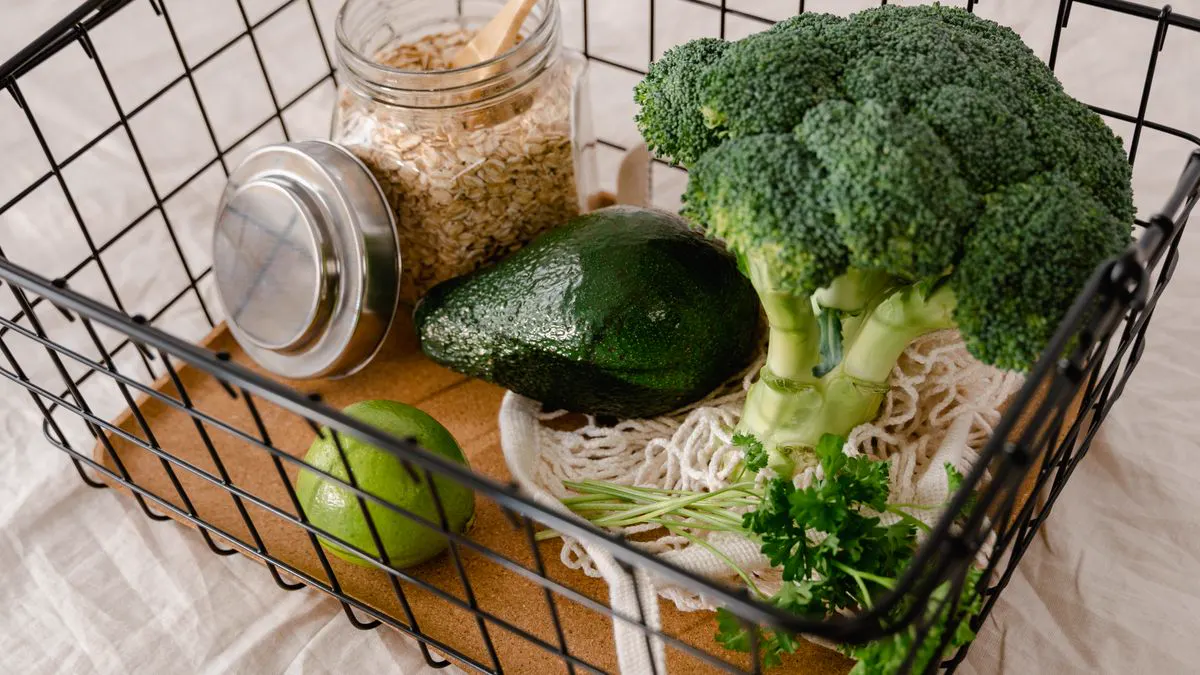
Does Inulin Help You Lose Weight? What the Research Says
The prebiotic fiber in many gut supplements, explained without hype.
 Nutrition
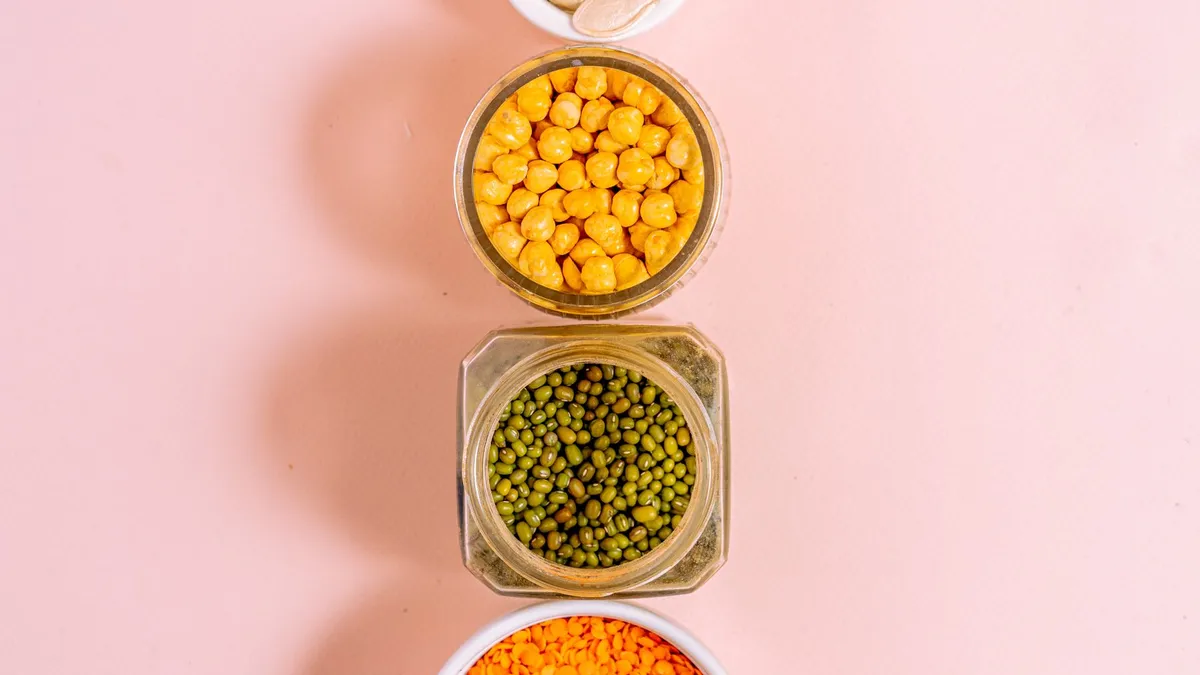
High-Fiber Foods: A Simple List and How to Eat More Fiber
Fiber helps you stay full, keeps digestion regular and feeds your gut bacteria, and most of us don't get enough. Here's how to fix that.
 Gut Health
 and Weight Loss: How Your Microbiome Affects Your Waistline
What gut bacteria have to do with appetite, cravings and blood sugar.