

Why do leg cramps happen at night?
- Muscles get tighter with age. After 45, muscles and tendons shorten a little, which makes cramps more likely.
- Long periods sitting or standing during the day.
- Pointed toes in bed: heavy blankets push your feet down and shorten the calf all night.
- Dehydration, especially if you avoid water in the evening.
- Low magnesium or potassium, the minerals muscles use to relax.
- Some medications, such as certain diuretics and statins.
How to stop a leg cramp right now
- Flex your foot: pull your toes toward your knee.
- Stand up and put your weight on the cramping leg.
- Massage the knot firmly.
- Apply warmth: a warm towel or shower relaxes the muscle.
How to prevent night leg cramps
- Stretch your calves for a minute before bed.
- Drink water through the day.
- Loosen the blankets at the foot of the bed.
- Move during the day: short walks beat long sitting.
- Keep your magnesium up with food (nuts, seeds, leafy greens, beans) and, if you need more, a supplement or a magnesium spray.
Magnesium for leg cramps and restless legs
Magnesium helps muscles relax after they contract and supports normal nerve signals, which is why it's the mineral most people reach for when cramps and restless legs keep them up. Pills work for many, but some people get stomach upset. That's why magnesium oil spray has become so popular: you spray it directly on your calves and feet before bed, massage it in, and make it part of a calming nightly ritual.

WellaNaturals Magnesium Oil Spray
Spray it on your calves and feet at bedtime: pure Zechstein magnesium at 0.6 g/ml, zero sting, no pills.
- Targets cramps where they happen
- Zero-sting Zechstein magnesium
- No stomach upset
- 30-day money-back guarantee
When to see a doctor
See a doctor if cramps are frequent and severe, come with swelling, redness or weakness, happen after starting a new medication, or don't improve with stretching and hydration.
Want to know more about magnesium sprays? Read our guide to magnesium oil.

Audrey Larson
Audrey Larson is a health journalist and wellness investigator with more than 10 years of experience covering supplements, nutrition, and consumer health. With a background in Biomedical Science and Clinical Research, she specializes in analyzing scientific evidence behind health products and debunking misleading claims, misinformation, and fake health trends. As a Health & Wellness Evaluation Specialist for Olivewell Report, Audrey reviews peer-reviewed research, ingredient transparency, and manufacturing standards to separate fact from fiction. Her work emphasizes scientific integrity and practical guidance, helping readers make informed decisions about their health and well-being.
Keep reading
 Healthy Aging
Best Blood Sugar Supplements (2026): Our Top Picks Compared
Afternoon crashes, sugar cravings and readings that keep creeping up. If you're looking for a blood sugar supplement that's actually worth your money, here's how the three most popular liquid formulas compare, and which one we'd choose.
 Healthy Aging
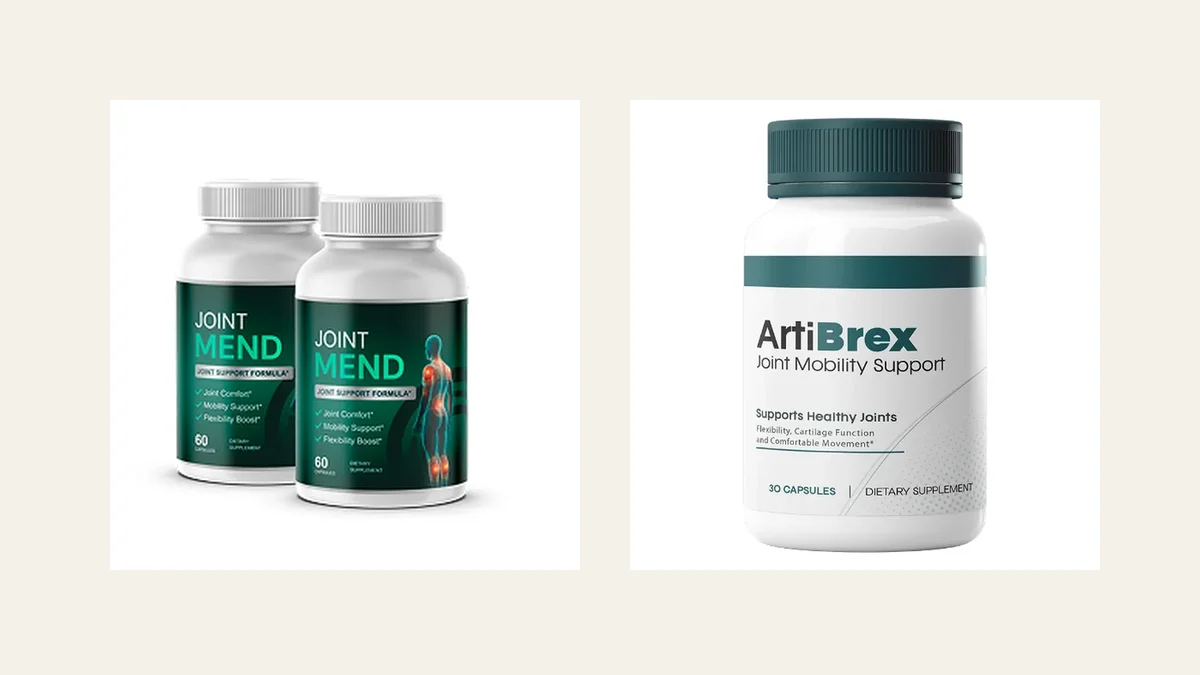
Best Joint Supplements (2026): Our Top Picks for Stiff, Achy Joints
Stiff mornings, stairs you dread, hands that ache when you open a jar. If you're looking for a joint supplement that's worth your money, here's how the two most promising formulas compare, and which one we'd choose.
 Healthy Aging
Balance Exercises for Seniors: 7 Simple Moves to Improve Your Balance
A wobble on the stairs. Reaching for the wall when you turn around. Balance changes so gradually that most people don't notice until it scares them. The good news: balance is a skill, and it improves with practice at any age.