

Perimenopause is the transition before menopause, when your hormones start to fluctuate. It usually begins in your 40s, sometimes earlier, and can last four to eight years. Many women don't connect it with weight gain at first, because periods are still coming and nobody warned them. But if you've noticed any of the signs below, your body may already be in this stage.
Signs you may be in perimenopause
- Periods that are shorter, longer, heavier or less regular than before
- Waking up at night, often hot or sweaty
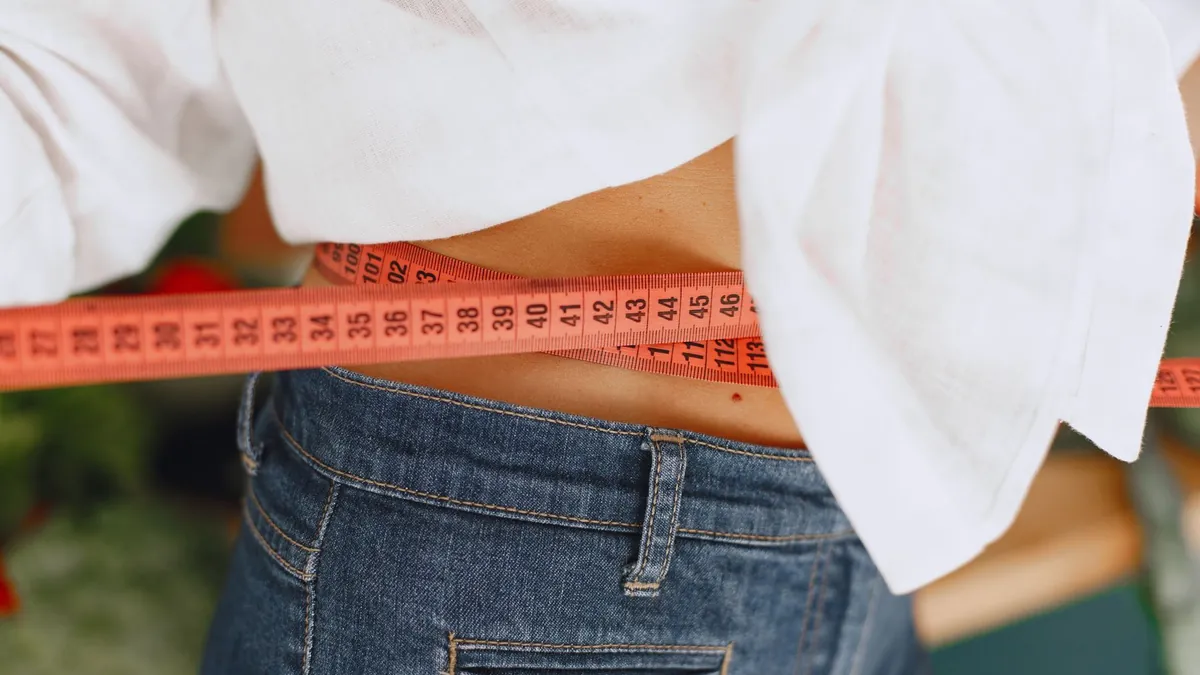
- Weight gain around the waist, even without eating more
- More bloating, especially before your period
- Stronger sugar or carb cravings
- Mood swings, irritability or anxiety you didn't have before
- Brain fog and feeling tired by mid-afternoon
Only your doctor can tell you for sure, but if several of these sound familiar, it's worth asking about at your next appointment.
Why perimenopause causes weight gain
Hormones that swing up and down
In perimenopause, estrogen doesn't fall in a straight line. It rises and drops unpredictably, and progesterone falls too. These swings affect water retention, appetite and where your body stores fat. Over time, more fat tends to collect around the abdomen. Research following women through midlife shows this shift begins before the final period, not after.
Muscle quietly declines
Muscle loss speeds up during the menopause transition. Less muscle means you burn a little less energy every day, so the same meals you ate at 38 can lead to gradual gain at 46.
Sleep and cravings feed each other
Night sweats and early waking leave you tired. Tired brains want quick energy, and that usually means sugar and refined carbs. If you've been raiding the pantry at night, read our guide to stopping late-night cravings.

What actually helps
- Eat protein first. Start each meal with protein and vegetables, then add starch. You'll feel fuller and your blood sugar will rise more gently.
- Strength train two or three times a week. It's the most effective way to slow muscle loss. You don't need a gym; bands and dumbbells at home work.
- Keep walking. Ten minutes after each meal adds up and helps with blood sugar.
- Add fiber gradually. It supports fullness and regularity. Go slowly if you're prone to bloating. See our guide to bloating after eating.
- Watch evening alcohol. Even one or two glasses can trigger night sweats and poor sleep.
- Track your cycle and symptoms. It helps you spot patterns, like bloating or cravings before your period, and gives your doctor useful information.
Should you talk to your doctor?
Yes, especially if symptoms affect your sleep, mood or daily life. Your doctor can rule out thyroid problems and discuss options such as hormone therapy, which can ease hot flashes and sleep problems for many women. It isn't a weight-loss treatment, but better sleep makes everything else easier.
Next steps
Perimenopause is the starting point. For the full picture, read our main guide to weight loss after 45. If your weight has mostly settled around your middle, continue with menopause belly fat.
Keep reading
 After 45
Weight Loss After 45: What Changes in a Woman's Body and What Actually Works
If the things that worked at 35 stopped working, it's not your imagination and it's not a lack of willpower. Your body really did change. Here's what changed, and what still works.
 After 45
Menopause Belly Fat: Why It Shows Up and How to Lose It
Your arms and legs look the same, but your jeans don't close anymore. Menopause belly is one of the most common complaints of women over 45, and one of the most misunderstood.
 After 45
How Much Protein Do Women Over 50 Need to Lose Fat, Not Muscle?
After 50, losing weight the wrong way can cost you muscle you'll need for decades. Protein is how you keep it. Here's how much, and how to get it without forcing down shakes all day.