

According to the National Institute of Neurological Disorders and Stroke, peripheral neuropathy is very common, and the feet are usually the first place it shows up.
7 common causes
- Diabetes and high blood sugar, which can damage small nerves over time. Burning feet are sometimes the first sign.
- Low vitamin B12, more common after 50 and with medications like metformin and acid reducers.
- Alcohol, which is toxic to nerves in large amounts.
- Underactive thyroid.
- Kidney problems.
- Medications, including some chemotherapy drugs.
- Athlete's foot, which causes burning and itching of the skin rather than the nerves.
Why it's worse at night
During the day, movement and activity distract your brain from nerve signals. At night, lying still with fewer distractions, the same signals feel louder. Warm blankets can make burning worse too.
Ways to get relief
- Soak your feet in cool (not icy) water for 15 minutes before bed
- Keep your feet out from under heavy blankets
- Take a short walk or do ankle circles in the evening to boost circulation
- Wear breathable cotton socks and well-fitting shoes
- Check your feet daily for cuts or sores, especially with diabetes
- Limit alcohol
Get it checked
Burning feet deserve a doctor's visit, mainly to check your blood sugar, B12 and thyroid. Finding the cause early matters. See a doctor right away for sudden numbness, weakness, a foot wound that won't heal or symptoms that spread quickly.
Burning feet and diabetes: what to know
High blood sugar over time can damage the small nerves in the feet, which is why burning or tingling feet are sometimes the first sign of diabetes or prediabetes. The good news is that keeping blood sugar in a healthy range can slow nerve damage and sometimes ease symptoms. If you haven't had your blood sugar (A1C) checked recently, it's worth asking your doctor. Our guide on how to prevent blood sugar spikes covers simple daily habits that help.
The nutrients your nerves need
Nerves rely on B vitamins, especially B12, B1 (thiamine) and B6, to work properly. Low B12 is common after 50 because the stomach absorbs it less easily, and medications like metformin and acid reducers can lower it further. A simple blood test can check your level. Too much B6 from supplements can actually cause nerve symptoms, so stick to recommended amounts.
Where a nerve supplement fits
Daily foot care and steady blood sugar come first. Many adults also add daily nutritional support for their nerves. We compared the most popular nerve support supplements, ingredient by ingredient, and one came out on top.

Audrey Larson
Audrey Larson is a health journalist and wellness investigator with more than 10 years of experience covering supplements, nutrition, and consumer health. With a background in Biomedical Science and Clinical Research, she specializes in analyzing scientific evidence behind health products and debunking misleading claims, misinformation, and fake health trends. As a Health & Wellness Evaluation Specialist for Olivewell Report, Audrey reviews peer-reviewed research, ingredient transparency, and manufacturing standards to separate fact from fiction. Her work emphasizes scientific integrity and practical guidance, helping readers make informed decisions about their health and well-being.
Keep reading
 Healthy Aging
Leg Cramps at Night: Why They Happen After 45 and How to Stop Them (Fast Fixes + Magnesium)
It always strikes at the worst moment: deep asleep, and suddenly your calf locks into a rock-hard knot. Nighttime leg cramps become much more common after 45. Here's why they happen, how to stop one in seconds, and how to keep them from coming back.
 Healthy Aging
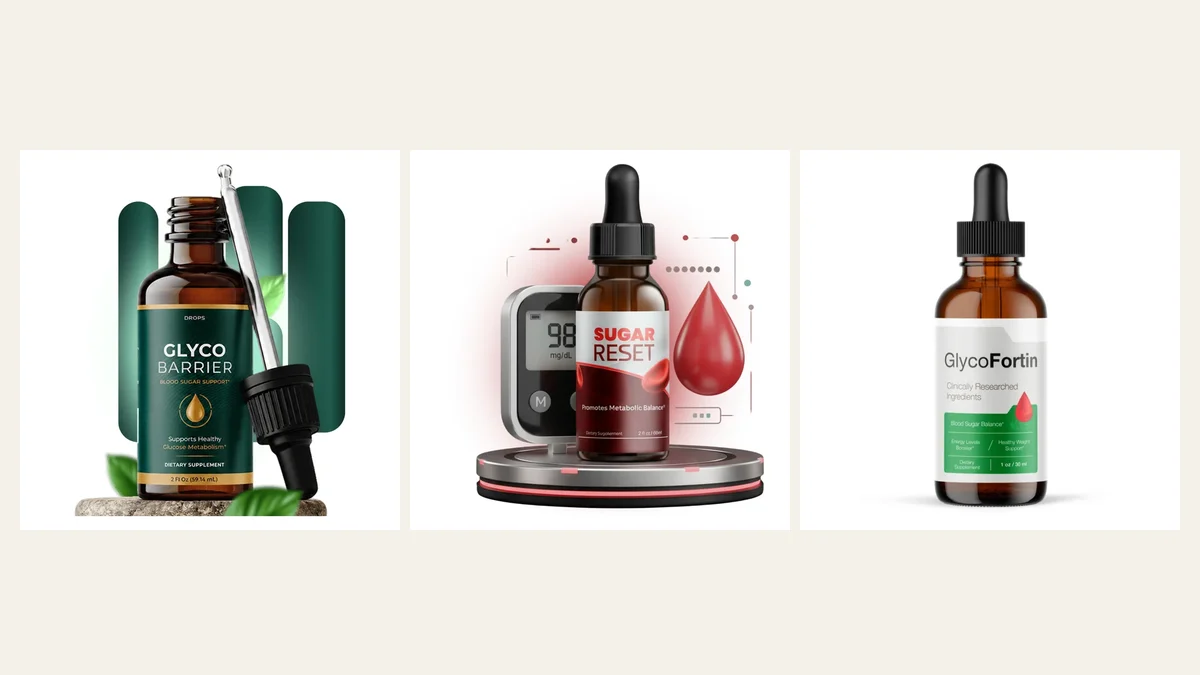
Best Blood Sugar Supplements (2026): Our Top Picks Compared
Afternoon crashes, sugar cravings and readings that keep creeping up. If you're looking for a blood sugar supplement that's actually worth your money, here's how the three most popular liquid formulas compare, and which one we'd choose.
 Healthy Aging
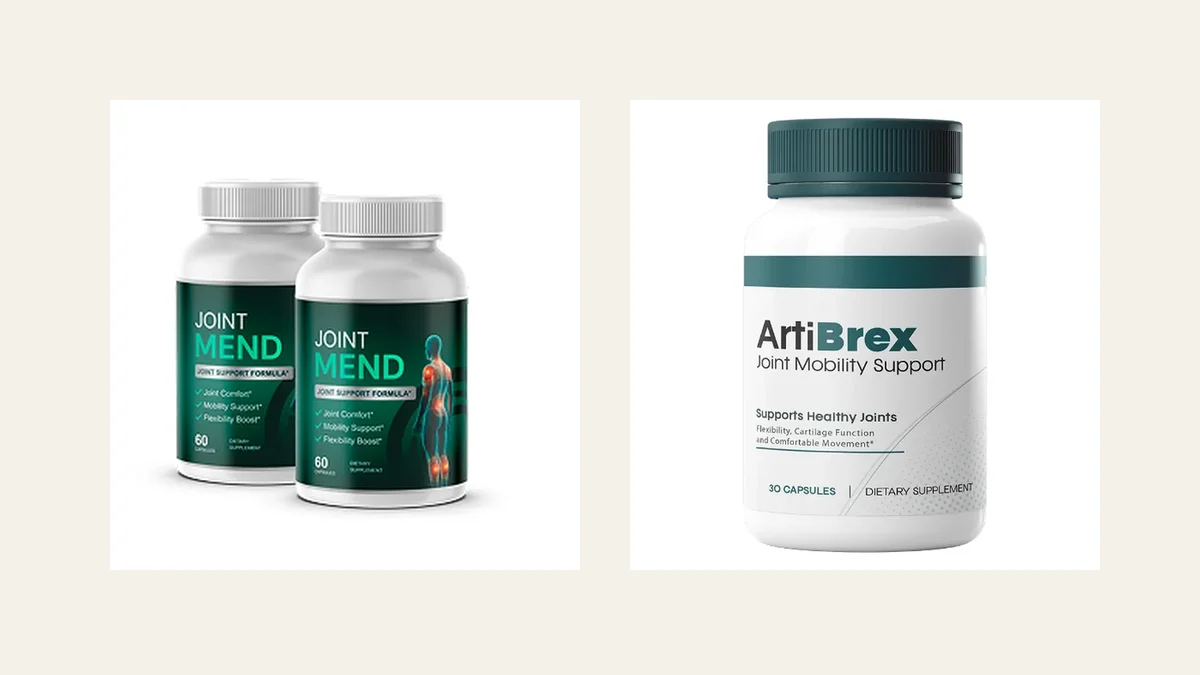
Best Joint Supplements (2026): Our Top Picks for Stiff, Achy Joints
Stiff mornings, stairs you dread, hands that ache when you open a jar. If you're looking for a joint supplement that's worth your money, here's how the two most promising formulas compare, and which one we'd choose.